

Gemma Barberá: “Laundry care is placing greater emphasis on emotional benefits.”
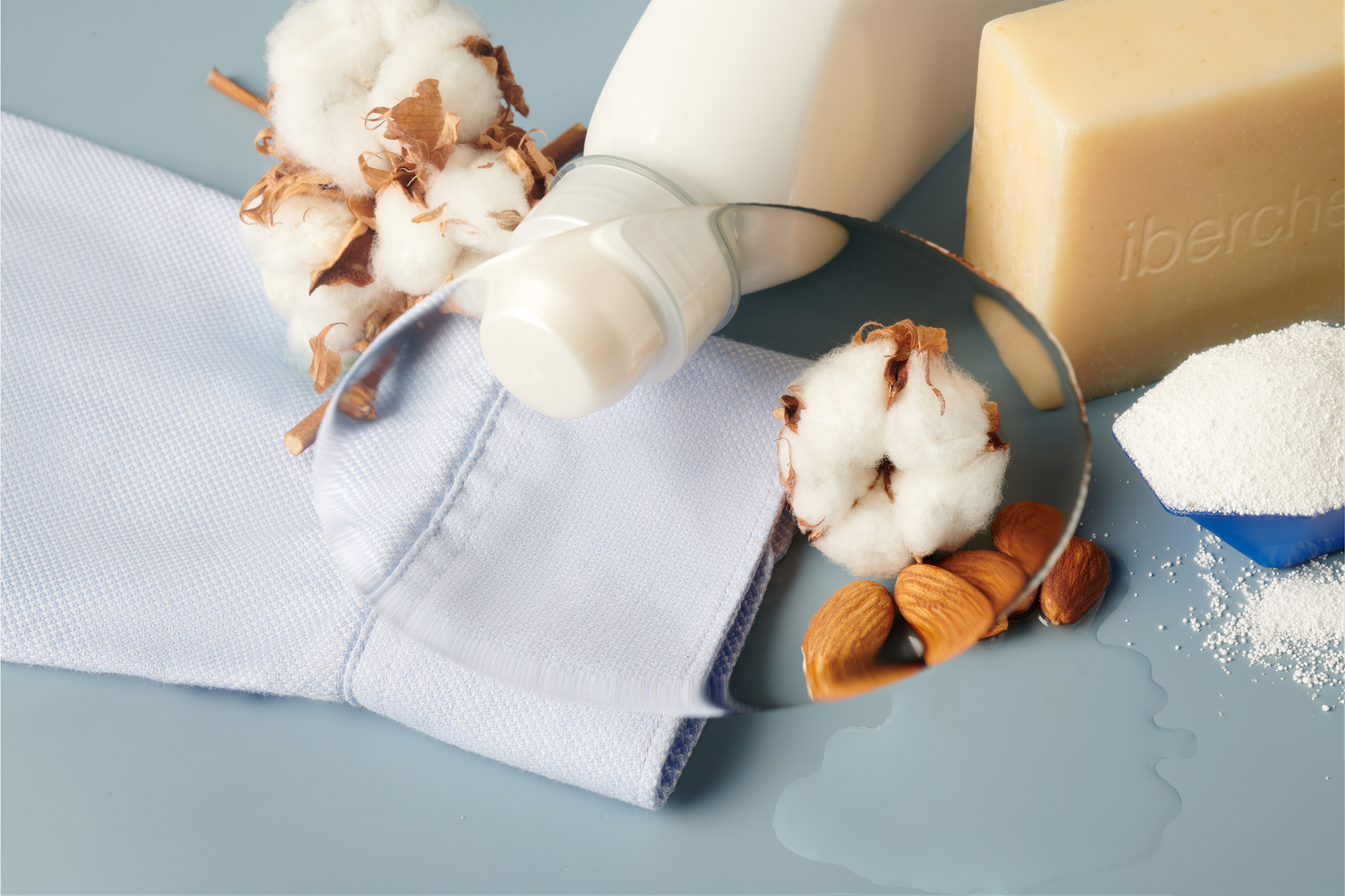
In 2025, the company opened a creative centre in Barcelona, further expanding its presence in Europe and Spain with a dedicated team of perfumers, sales professionals, and technical experts.
Following the launch of this new office, we sat with Gemma Barberá, the company’s Consumer Products Perfumer, to discuss the future of fragrances in laundry care and why emotions, well-being and health have become key pillars in fragrance development.
Does a fragrance play a different role when it comes to laundry care?
Laundry care and perfumery are closely connected. Many detergent claims rely on sensory effects that fragrance enhances. Perceptions of “freshness,” “cleanliness,” and “softness” depend not only on detergent performance but also on the fragrance’s olfactory impact.
Freshly washed, line-dried laundry enhances the home’s overall scent, similar to a home fragrance. As a result, consumers increasingly prefer laundry fragrances inspired by fine perfumery for their sophistication.
Market data supports this trend, with over 30% of global perfumery sales attributed to this category.
Which aspects will shape the future of laundry care?
The focus on sustainability will continue, with more emphasis on sustainable formulations and optimised packaging. In fragrance, the use of precursors and microcapsules for long-lasting effects is expected to peak. Additionally, concentrated fragrances using high-impact ingredients are becoming increasingly popular.
Laundry care is placing greater emphasis on emotional benefits. Brands should explore home care products with fragrances inspired by therapeutic concepts that promote inner balance, improve mental performance, or reduce stress.
Which applications are expected to grow, and which are likely to lose momentum?
Fragrance boosters are gaining popularity. They provide a scent experience similar to fabric softeners, even in small amounts, and are suitable for all textiles, including sportswear. This allows consumers to enjoy fragrance benefits without using fabric softeners. While increased use of boosters may reduce fabric softener usage, they are not direct substitutes.
How would you describe your role at Iberchem’s new creative centre in Barcelona?
Iberchem Barcelona is a centre dedicated to creating and developing fragrances with an emphasis on consumer products. Its location provides significant advantages, as Barcelona is a major hub for the perfumery industry.
I lead a creative team that offers clients a fully integrated fragrance development experience, including creation and usage testing. This approach enables clients to engage at every stage, with the necessary technical infrastructure in place. Fragrances for consumer goods require several rounds of usage testing in final applications before selecting the definitive fragrance.
