

Fine Fragrance Market Trends in India and the Middle East
The global fragrance industry is witnessing a dynamic evolution, with regional identities playing a crucial role in shaping olfactory preferences. India and the Middle East stand out as influential markets where tradition and modernity coexist harmoniously. Culture, climate, lifestyle, and heritage significantly impact fragrance choices, raw material selection, and formulation philosophies in these regions.
Archana Pandey, Senior Fine Fragrance Evaluator at Iberchem Dubai, highlights how these two key markets are redefining fine fragrance trends while maintaining their distinctive olfactory identities.
India: Where Ancient Rituals Meet Modern Scents
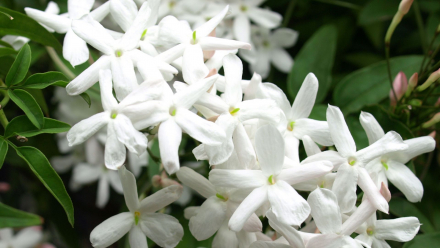
India’s fragrance story is woven with centuries-old traditions, where ingredients like jasmine, tuberose, rose, ylang ylang, sandalwood, vetiver, and spices have long defined its olfactory identity. These materials are more than just ingredients: they are cultural markers, deeply connected to rituals, wellness, and daily life.
In recent years, however, the Indian market has seen a notable shift. Consumers are increasingly embracing modern fine fragrances which Fresh, Aquatic, Fougere Chypre charter. Including unisex compositions and products inspired by sustainability and nature. This evolution reflects a growing awareness of global trends while still valuing authenticity and tradition.
A renewed interest in heritage perfumery, particularly from the historic perfume hub of Kannauj, is also influencing contemporary fragrance creation. Traditional attar craftsmanship is being rediscovered and reinterpreted, often paired with modern synthetic ingredients to enhance performance and versatility.
The Middle East: Intensity, Opulence and Lasting Impression
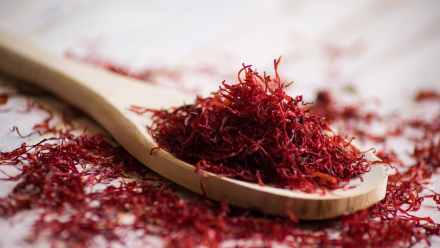
In contrast, the Middle Eastern fragrance market is defined by intensity, richness, longevity and silage. Perfumes in this region are often built around powerful and iconic raw materials such as oud, amber, musk, frankincense, saffron, and resinous woods. These ingredients create bold compositions that leave a lasting impression, aligning with regional preferences for strong and enduring scents.
Fragrance in the Middle East extends far beyond personal use. It is deeply embedded in daily life, from hospitality rituals to religious practices and social identity. The act of wearing and sharing fragrance is often associated with luxury, status, and cultural expression.
While traditionally dominated by woody and oriental accords, modern trends are introducing new dimensions. Gourmand notes are gaining popularity, particularly those leaning toward nutty profiles, adding warmth and indulgence to compositions. Spicy accents, such as red chili nuances, are also emerging, bringing an unexpected vibrancy and edge.
Tradition Reimagined
Both India and the Middle East illustrate how fragrance can bridge the past and the future. While India explores a balance between tradition, nature, and modern minimalism, the Middle East continues to push the boundaries of intensity, luxury, and sensory expression, opening to new sustainable possibilities and evolving fragrance profiles.
Across both regions, emerging perfumery trends are reshaping traditional olfactory identities. There is a clear shift toward more indulgent gourmand profiles, especially in the Middle East, where nutty and creamy facets are often combined with signature ingredients.
Fragrance layering remains a defining practice in the Middle East and is gradually influencing Indian consumers, enabling more personalized and versatile scent experiences. At the same time, alcohol-free formats, including oils and water-based fragrances, are gaining relevance, driven by cultural habits as well as a growing demand for long-lasting and skin-friendly solutions, such as Iberchem’s new NovaSilk® alcohol-free fragrances.
In parallel, India is increasingly embracing cleaner, more intimate “skin scents,” particularly among younger and urban consumers seeking subtle, comforting, and wellness-driven choices. While similar profiles are beginning to emerge in the Middle East, they remain secondary to the region’s preference for bold, long-lasting compositions.
A Market Perspective Update
From a market perspective, India and the Middle East are at different stages of development. India’s fragrance market, valued at around USD 1 billion in 2024, is experiencing rapid growth with a projected CAGR of nearly 14%, driven by rising disposable incomes, urbanization, and increasing exposure to global beauty trends.
In contrast, the Middle Eastern market is significantly more mature, with a value exceeding USD 5 billion across the region and a strong concentration in premium fragrances. While growth remains steady at around 6–7%, the region benefits from high per capita consumption and a deeply rooted fragrance culture, positioning it as one of the most sophisticated markets globally.
